
Expert Picks For Essential Drainage Service Tools and Supplies
Get insights into top-performing drainage products that enhance service quality and simplify installation or repairs.
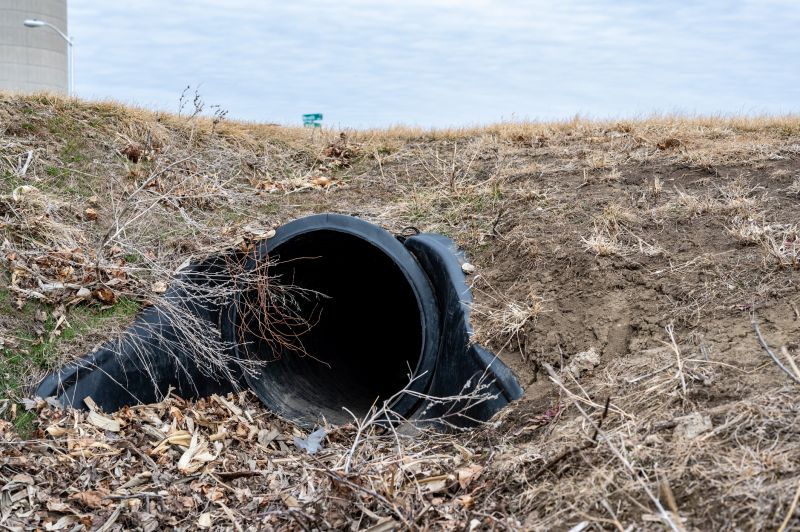 Effective drainage systems are essential for maintaining the integrity and functionality of plumbing networks in residential, commercial, and industrial settings. Proper drainage products help prevent water accumulation, reduce the risk of flooding, and mitigate potential damage caused by excess moisture. From clogged pipes to overflowing drains, having the right tools and accessories can make maintenance and repairs more manageable.
Top Overall Option
Drainage Pipe Fittings
Drainage pipe fittings are versatile components that connect, redirect, and secure pipes within drainage systems. They come in various shapes and sizes to fit different pipe diameters and configurations, facilitating smooth water flow and system integrity. These fittings are typically made from durable materials like PVC or cast iron, ensuring long-lasting performance. Properly chosen fittings can simplify installation and maintenance, making them a reliable choice for a wide range of drainage applications.
Types of Products For Drainage Service
PVC Drain Pipes
Flexible and corrosion-resistant pipes suitable for underground and above-ground drainage.
Cast Iron Drain Pipes
Heavy-duty pipes known for durability and noise reduction in drainage systems.
Flexible Drain Hoses
Easy-to-install hoses designed for quick repairs and temporary drainage solutions.
Drain Cleaning Cables
Manual or motorized cables used to clear blockages in pipes and drains.
Hydro Jetting Equipment
High-pressure water jetters that effectively remove buildup and debris from pipes.
Inspection Cameras
Portable cameras for visual inspection inside pipes to identify blockages or damage.
Drain Grates and Covers
Protective covers that prevent debris from entering drainage systems and facilitate water flow.
Pump Stations
Mechanical pumps used to move wastewater from low-lying areas or basements.
Sump Pumps
Devices installed in basements to pump out accumulated water and prevent flooding.
Cleanout Fittings
Access points that allow for easy cleaning and inspection of drainage pipes.
Water Flow Regulators
Devices that control the rate of water flow within drainage systems to prevent overload.
Rainwater Harvesting Systems
Components designed to collect and direct rainwater away from structures efficiently.
Channel Drains
Surface drainage solutions that channel water away from walkways and driveways.
Drain Sealants and Gaskets
Materials used to create watertight seals around pipes and fittings.
Backwater Valves
Valves that prevent reverse flow of sewage or stormwater into buildings.
Erosion Control Products
Materials such as geotextiles and barriers to prevent soil erosion around drainage areas.
Perforated Drain Pipes
Pipes with small holes that allow water to enter and exit, ideal for drainage fields.
Drainage Channel Grates
Grates that cover channels to prevent debris entry while allowing water passage.
Popular Choices
Widely used for their ease of installation and resistance to corrosion in drainage systems.
Commonly used for clearing minor blockages and maintaining smooth pipe flow.
Frequently installed in basements to manage groundwater and prevent flooding.
Popular for thorough pipe cleaning, especially in commercial drainage systems.
Valuable tools for diagnosing issues within pipes without invasive procedures.
Commonly used in outdoor settings to protect drainage openings from debris.
Important for preventing sewage backflow in residential drainage setups.
Popular for managing stormwater and reducing runoff in property landscapes.
Chosen for surface water management on driveways and walkways.
Used to control water flow rate in various drainage applications.
Favored for their effectiveness in drainage fields and landscape projects.
Often selected to stabilize soil around drainage installations.
Commonly used to ensure leak-proof connections in drainage systems.
Drainage products come in various forms to address different needs, including fittings, pipes, pumps, and specialized cleaning tools. Selecting suitable products depends on the specific drainage challenge, the location of the system, and the scale of the problem. For property owners and maintenance professionals alike, understanding the available options can facilitate better decision-making and ensure efficient system operation.
When considering drainage solutions, factors such as durability, compatibility with existing infrastructure, ease of installation, and maintenance requirements are important. Quality materials like PVC, cast iron, or flexible hoses can influence the longevity and performance of drainage components. Additionally, accessories such as inspection chambers, cleanout fittings, and water flow regulators can enhance system accessibility and effectiveness.
In Schenectady, NY, where weather conditions and property types vary, having access to a broad range of drainage products can help address seasonal challenges and property-specific needs. Whether dealing with minor blockages or designing a comprehensive drainage system, selecting the right products is key to ensuring reliable and efficient water management.
Key Buying Considerations
- Material durability and resistance to corrosion or damage.
- Compatibility with existing piping and infrastructure.
- Ease of installation and maintenance requirements.
- Appropriate size and capacity for the intended application.
- Weather resistance, especially for outdoor components.
- Flow rate specifications to match property drainage needs.
- Availability of replacement parts and accessories.
- Compliance with local building codes and standards.
- Ease of access for inspection and cleaning.
- Cost-effectiveness over the lifespan of the product.
- Flexibility for future system modifications or expansions.
- Compatibility with additional drainage components like pumps or filters.
- Environmental conditions that might affect material performance.
- Ease of operation, especially for automated or motorized products.
- Warranty and manufacturer support availability.